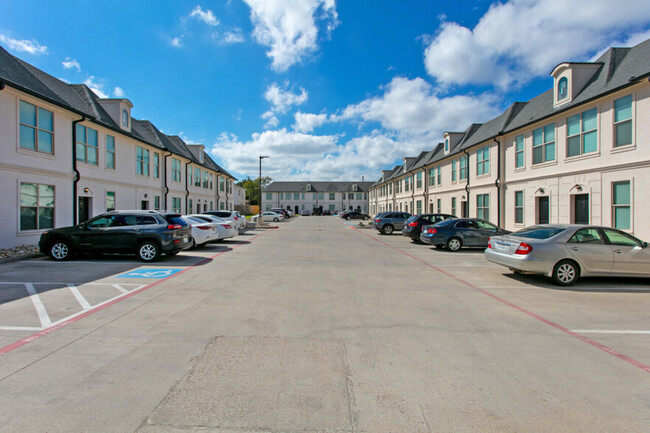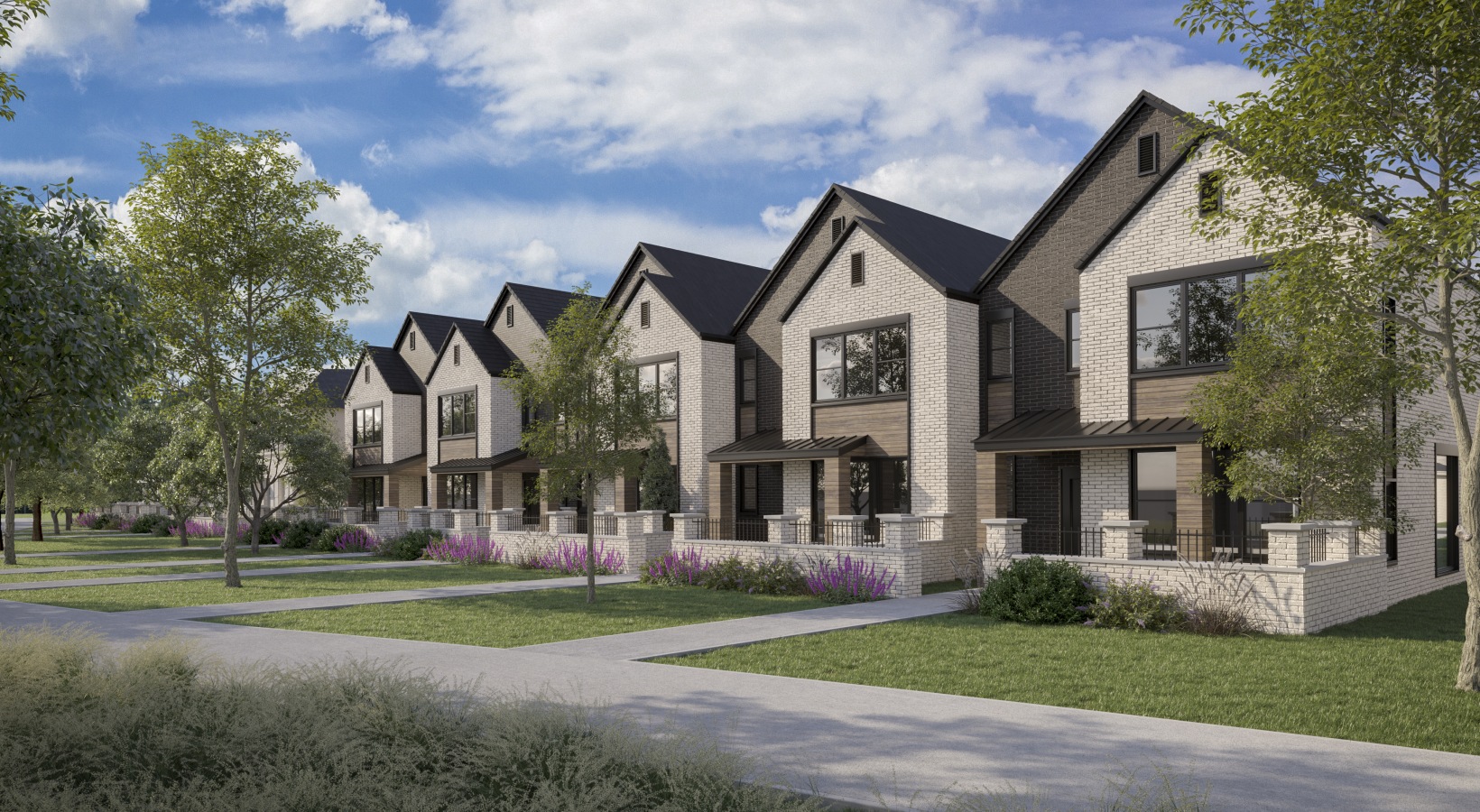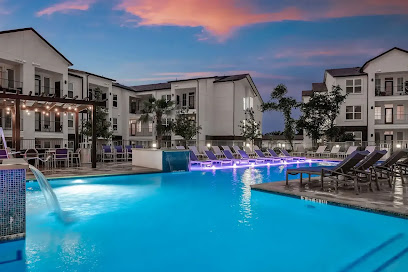

Texas is in the middle of the largest apartment construction wave in its history. More than 100,000 new multifamily units delivered across the state between 2024 and 2025, according to the Texas Real Estate Research Center, and tens of thousands more are still in the pipeline. For renters, this surge in supply is shifting the market in your favour for the first time in years.
Here is exactly what is happening, how it affects rents in every major metro, and how to take advantage of current conditions before the window closes.
How Much New Apartment Supply Hit Texas?
Texas permitted and delivered more new apartment units than any other U.S. state from 2022 to 2025. The construction boom was fuelled by record population growth, corporate relocations, and low interest rates that made development financing cheap before rate hikes took hold.
| Metro | New Units Delivered (2024-2025) | Current Vacancy Rate | Historical Average Vacancy |
|---|---|---|---|
| Dallas-Fort Worth, TX | 33,000+ | 11-12.6% | ~8.5% |
| Austin, TX | 22,000+ | 12-14% | ~7% |
| Houston, TX | 28,000+ | 10-12% | ~9% |
| San Antonio, TX | 12,000+ | 9-11% | ~8% |
The key takeaway: every major Texas metro now has vacancy rates 30-60% above historical norms. That imbalance means landlords are competing for tenants, not the other way around.
What This Means for Rent Prices
Rising apartment supply has directly flattened or reduced rent growth across Texas. After rent increases of 15-20% annually during 2021-2022, most metros have seen a sharp correction.
Current rent trends by metro (mid-2026):
- Dallas-Fort Worth: Average 1BR rent of $1,350/month, year-over-year growth of 0-2%
- Austin: Average 1BR rent of $1,450/month, year-over-year change of -2% to -4% (rents actively declining)
- Houston: Average 1BR rent of $1,200/month, year-over-year growth of 0-1%
- San Antonio: Average 1BR rent of $1,100/month, year-over-year growth of 1-2%
Austin has been hit hardest. The combination of aggressive construction and a cooling tech sector has pushed Austin rents down for several consecutive quarters. For renters considering Austin, this is the most affordable the market has been since 2020.
Dallas-Fort Worth remains more resilient due to continued corporate relocations and job growth, but even DFW landlords are offering concessions they would not have considered two years ago. For a deeper look at DFW vacancy dynamics, see our breakdown of DFW apartment vacancy rates, causes, and trends.
Concessions and Move-In Specials You Can Expect
When vacancy rates rise, landlords use concessions to fill units. The current Texas market is producing some of the most aggressive move-in specials in recent memory.
Common concessions available in 2026:
| Concession Type | Typical Value | Where Most Common |
|---|---|---|
| Free rent months | 1-2 months free on 12+ month lease | Austin, Dallas (new builds) |
| Reduced security deposit | $0-$200 deposit (vs. $500-$1,200 normally) | All metros |
| Waived application fees | $0 (vs. $50-$150 normally) | Austin, Houston |
| Reduced parking fees | Free covered parking (vs. $75-$150/month) | Dallas, Austin |
| Rate locks | Lock current rate for 15-18 months | New communities statewide |
Tip: Concessions are most common at newly built communities that opened within the past 12 months. These properties need to reach stabilised occupancy (typically 90%+) to meet their financing requirements, so they are the most motivated to negotiate.
You can filter for apartments with active specials across Texas at redriver.rent/search.
Which Texas Metros Benefit Renters Most Right Now?
Not every market is affected equally. Here is how each metro stacks up for renters in 2026.
Austin, TX
Austin offers the largest renter advantage right now. Vacancy rates of 12-14% are nearly double the historical norm. Rents have dropped 2-4% year-over-year, and new luxury communities along the East Riverside corridor and in Round Rock are offering two months free on 14-month leases. If you have been priced out of Austin in recent years, now is the time to revisit.
Browse Austin apartments on RedRiver Rent
Dallas-Fort Worth, TX
DFW has more new supply than any other Texas metro, but strong job growth is absorbing units faster than in Austin. Vacancy sits at 11-12.6%, which still gives you leverage. Focus your search on submarkets with the highest concentration of new builds — Frisco, McKinney, and the Design District — where concessions are strongest.
Browse Dallas-Fort Worth apartments on RedRiver Rent
Houston, TX
Houston's vacancy rate of 10-12% reflects steady new construction combined with a more diverse economic base (energy, healthcare, aerospace). Inner Loop neighbourhoods like Montrose, Midtown, and the Heights have seen the most new supply. Renters searching in these areas can expect one month free and waived deposits at most new communities.
San Antonio, TX
San Antonio has the tightest supply among major Texas metros, with vacancy at 9-11%. Rent growth has slowed but remains slightly positive. The best concessions are concentrated along the I-35 corridor near Joint Base San Antonio and in the Stone Oak and Alamo Ranch submarkets where new communities are leasing up.
How to Use the Supply Wave to Your Advantage
High vacancy rates will not last indefinitely. Construction starts have slowed significantly as developers face higher interest rates and tighter lending standards. The current window of renter-friendly conditions is likely to narrow over the next 12-18 months as existing supply gets absorbed and new deliveries decline.
Here is how to maximise your position now:
- Negotiate the listed rent. Most properties are willing to reduce advertised rent by $50-$150/month in high-vacancy submarkets. Ask the leasing office directly — the worst they can say is no.
- Stack concessions. Do not settle for just one concession. Ask for free rent months and a reduced deposit and waived fees. Properties with vacancy above 15% will often agree to multiple concessions.
- Lock in a longer lease. If you find a rate you like, sign a 14-18 month lease to lock it in. Rates may increase once the supply wave is absorbed.
- Compare new builds vs. established properties. New communities offer better concessions, but older properties in desirable neighbourhoods may lower base rent instead. Compare both on RedRiver Rent to find the best overall value.
- Check your current lease renewal. If your current landlord is raising your rent at renewal, use competing offers from new communities as leverage. Show them you have alternatives.
If you are new to the Texas rental market, our guide to moving to Texas covers everything you need to know about choosing a city, budgeting for move-in costs, and signing your first lease.
How Long Will the Renter-Friendly Market Last?
The supply surge is a temporary condition. According to the National Multifamily Housing Council, Texas multifamily construction starts dropped 35-40% in 2025 compared to the 2022 peak. This means:
- 2026-2027: New deliveries remain elevated as projects started in 2023-2024 complete. Renter-friendly conditions persist.
- 2028 and beyond: The pipeline thins significantly. Vacancy rates are expected to return toward historical averages, and rent growth will likely resume at 3-5% annually.
The implication is clear: the next 12-18 months represent the best conditions for Texas renters to lock in favourable lease terms.
For context on how the broader market reset is reshaping Texas real estate, see our analysis of the Texas multifamily market reset.
Start Your Texas Apartment Search
The Texas apartment market is offering renters the best combination of pricing, concessions, and selection in years. Whether you are searching in Dallas, Austin, Fort Worth, or Waco, RedRiver Rent tracks verified listings with real-time availability and pricing.
Browse Texas apartments on RedRiver Rent
Related Articles:
- DFW Apartment Vacancy Rates: Causes, Trends, and What Renters Should Know — A detailed look at what is driving record-high vacancy rates across Dallas-Fort Worth.
- The Texas Multifamily Market Reset: What Investors Need to Know — How rising rates, new supply, and compressed margins are reshaping the Texas apartment market.
- Moving to Texas: The Ultimate Guide Before You Relocate — Everything you need to know about choosing a Texas city, budgeting, and signing your first lease.
- Texas Apartment Move-In Checklist Before You Get Keys — The complete checklist every Texas renter should follow before move-in day.