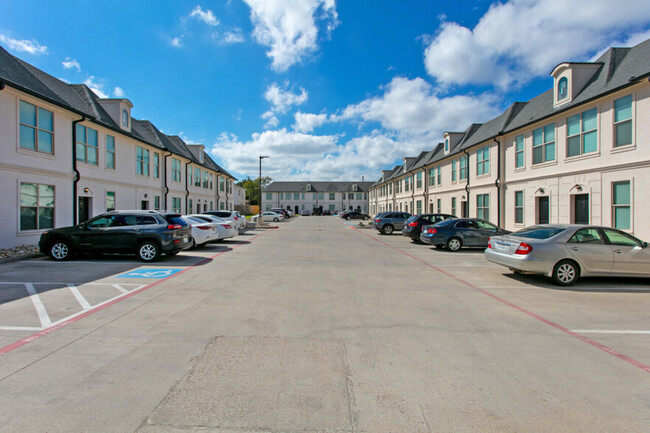

The Dallas-Fort Worth apartment vacancy rate sits between 11% and 12.6% as of mid-2026 — well above the historical average of 8.5%. For renters, that translates to more choices, better concessions, and stronger negotiating leverage than DFW has offered in years.
Here is what is driving those numbers, which submarkets are most affected, and how to use current conditions to your advantage.
How High Are DFW Apartment Vacancy Rates Right Now?
According to recent multifamily market surveys, the DFW metroplex apartment vacancy rate ranges between 11% and 12.6%. The long-term historical average for the market is approximately 8.5%, meaning current vacancies are roughly 30–48% above normal levels.
| Metric | Current (2026) | Historical Average |
|---|---|---|
| DFW vacancy rate | 11–12.6% | ~8.5% |
| New units delivered (annual) | 33,000+ | ~18,000 |
| Rent growth (YoY) | 0–3% | 3–5% |
This elevated vacancy rate is not a sign of weak demand — DFW population growth remains above 1.5% annually. The gap is driven almost entirely by supply outpacing absorption.
Why Are So Many DFW Apartments Sitting Empty?
The primary cause is a historic oversupply of new apartment construction. More than 33,000 new multifamily units were delivered across DFW within a single year, flooding the market with inventory faster than new residents can fill it.
Five factors are driving DFW apartment vacancies:
- New construction oversupply — Developers broke ground during the low-interest-rate era of 2021–2022, and those units are now hitting the market simultaneously.
- Intense competition among properties — Newly built communities offer free rent months, waived deposits, and move-in specials, pulling tenants from older properties and leaving units vacant longer.
- Rental affordability pressure — Rising rents and inflation have stretched renter budgets, even though DFW remains more affordable than coastal metros.
- Suburban homeownership shift — Some renters are transitioning to homeownership in growing suburban markets like Celina, Anna, and Melissa where new homes are available.
- Location and property age gaps — Properties farther from major employment centres, transit, and amenities experience higher vacancy rates than properties in core submarkets.
Which DFW Submarkets Have the Highest Vacancy Rates?
Vacancy rates vary significantly across the DFW metroplex. Submarkets with the most new construction activity tend to have the highest vacancies.
- Frisco and McKinney corridors — Heavy new development has pushed vacancy rates above the metro average, with many communities offering 6–8 weeks of free rent on new leases.
- Far North Dallas and Plano — Competitive pricing from new Class A communities is putting pressure on older Class B and C properties.
- South Fort Worth — Fewer corporate employment anchors compared to north-side submarkets result in slower lease-up timelines.
- Core Dallas and Uptown — Vacancy rates remain lower than the metro average due to walkability, employment density, and transit access.
If you are comparing options in Dallas, TX, filtering by neighbourhood helps identify where concessions are strongest.
What Does High Vacancy Mean for Renters in DFW?
Elevated vacancy rates shift negotiating power from landlords to renters. Here is what that looks like in practice:
- More concessions — Free rent months (typically 4–8 weeks), waived application fees, and reduced or eliminated security deposits
- Slower rent growth — Year-over-year rent increases across DFW have compressed to 0–3%, compared to the 15–20% spikes seen in 2021–2022
- More inventory to choose from — With thousands of units competing for tenants, renters have a wider selection of floor plans, locations, and price points
- Stronger lease negotiation position — Landlords are more willing to negotiate lease terms, pet policies, and renewal pricing when vacancy is high
Renters searching across the metroplex can compare verified listings with real-time pricing on the RedRiver Rent search page.
How Is the DFW Vacancy Rate Expected to Change?
Industry forecasts suggest DFW vacancy rates will gradually improve through late 2026 and into 2027 as new construction activity slows and population growth continues absorbing existing inventory.
Factors supporting recovery:
- Construction pipeline is thinning — Fewer new permits are being issued as developers respond to higher interest rates and slower lease-up timelines
- Job growth remains strong — Corporate relocations from companies like Goldman Sachs, Caterpillar, and Charles Schwab continue to drive apartment demand in DFW
- Population migration — Texas continues to attract domestic migration from higher-cost states, with DFW absorbing a significant share
Factors that could delay recovery:
- A recession or major job losses in DFW’s key industries
- Continued delivery of units from projects already under construction
- Interest rate cuts that reignite new development activity
DFW remains one of the strongest long-term multifamily markets in the United States. For a broader look at how supply dynamics are reshaping Texas apartment investing, see our analysis of the Texas multifamily market reset.
How Do DFW Vacancy Rates Compare to Other Texas Metros?
| Texas Metro | Vacancy Rate | Avg. 1BR Rent |
|---|---|---|
| Austin, TX | 11–13% | ~$1,400/month |
| Dallas-Fort Worth, TX | 11–12.6% | ~$1,350/month |
| Houston, TX | 8–10% | ~$1,150/month |
| San Antonio, TX | 7–9% | ~$1,050/month |
Austin has the highest vacancy rate among Texas metros due to an even more aggressive construction cycle. Houston and San Antonio have lower vacancy rates because of more moderate per-capita construction. Renters considering Fort Worth, TX may find stronger concession packages compared to core Dallas submarkets.
Find Your Next DFW Apartment While Concessions Are Strong
DFW apartment vacancy rates remain elevated — and that is good news for renters. More inventory, slower rent growth, and aggressive concession packages mean you have more leverage than at any point since 2020.
RedRiver Rent lists verified apartments across Dallas and Fort Worth with real-time availability, pricing, and full cost breakdowns. Browse current options before concessions tighten as vacancy rates normalise.
Browse DFW apartments on RedRiver Rent
Also worth reading:
- The Texas Multifamily Market Reset: What Investors Need to Know — How rising rates and record supply are reshaping apartment investing across every major Texas metro.
- Texas Apartment Move-In Checklist Before You Get Keys — The 9-step checklist every Texas renter should complete before move-in day.