
Choosing the wrong rental type costs you money every month. An apartment renter paying $1,250/month for 700 square feet has a different financial reality than a house renter paying $1,900/month for 1,400 square feet — and neither is objectively better. The right choice depends on your budget, how much space you actually use, whether you want a yard, and how much maintenance you are willing to handle.
This guide breaks down apartments, townhouses, condos, and rental houses across Texas with real numbers — rent ranges, utility costs, square footage, and the hidden expenses most comparison articles skip.
Quick Comparison — Apartments, Townhouses, Condos, and Houses
Here is how the four rental types stack up across the metrics that matter most to Texas renters in 2026.
| Factor | Apartment | Townhouse | Condo | House |
|---|---|---|---|---|
| Avg. rent (Texas, 2026) | $1,200–$1,400/mo | $1,400–$1,800/mo | $1,300–$1,700/mo | $1,600–$2,200/mo |
| Typical size | 550–950 sq ft | 1,000–1,600 sq ft | 650–1,100 sq ft | 1,200–2,200 sq ft |
| Bedrooms | Studio–2BR | 2–3BR | 1–2BR | 2–4BR |
| Outdoor space | Balcony (if any) | Small patio/yard | Balcony | Full yard |
| Parking | Assigned/garage extra | Attached garage | Assigned/garage | Driveway + garage |
| Maintenance | None (management) | Partial (yard, interior) | Minimal (owner handles) | Full (tenant often responsible) |
| Shared walls | 2–4 sides | 1–2 sides | 2–4 sides | None |
| Lease flexibility | 3–18 months | 6–12 months | 6–12 months | 12 months typical |
| Utilities (avg./mo) | $120–$180 | $180–$280 | $130–$200 | $250–$400 |
| Pet suitability | Limited (weight caps, breed rules) | Moderate (small yard) | Limited (HOA rules) | Best (yard, fewer restrictions) |
The gap between the cheapest and most expensive option is roughly $400–$800/month when you add utilities and maintenance on top of base rent. That annual difference — $4,800–$9,600 — is significant enough to change your savings rate or qualify you for a different neighbourhood entirely.
Apartments — Lowest Cost, Least Space
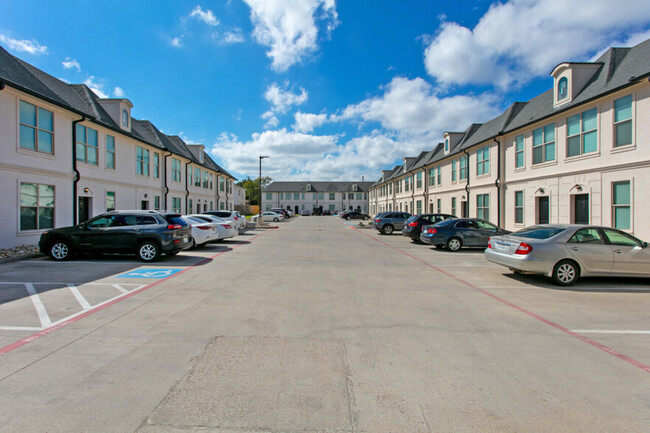
An apartment is a unit within a multi-unit building or complex, managed by a property management company. It is the most common rental type in Texas cities, and the most affordable.
Average rent in Texas (mid-2026): $1,200–$1,400/month for a one-bedroom, according to RedRiver Rent listing data across Dallas, Houston, Austin, and San Antonio.
What you get
- Zero maintenance. Management handles all repairs, landscaping, pest control, and common areas. You call, they fix it.
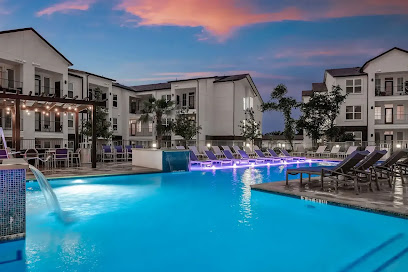
- Built-in amenities. Most Texas apartment communities include a pool, fitness centre, and package lockers. Newer builds in Dallas and Austin add coworking spaces and rooftop lounges.
- Flexible leases. Many complexes offer 3-, 6-, and 12-month terms. Some allow month-to-month after the initial lease, typically at a 10–15% premium.
- Lower utilities. Smaller square footage means lower electricity bills — expect $120–$180/month in a one-bedroom, including electricity, water, trash, and internet.
What you give up
- Space. A typical Texas one-bedroom apartment is 650–850 square feet. Storage is limited, and you will not have a yard.
- Privacy. Shared walls, floors, and ceilings mean you hear your neighbours. Noise complaints are the number one issue in apartment living, per the Texas Apartment Association.
- Pet limitations. Most complexes cap pets at 50 lbs and restrict breeds. Pet rent adds $25–$75/month per animal, plus a deposit of $200–$400.
Apartments work best if your priority is low cost and zero maintenance responsibility. If you are moving to Texas for the first time, our complete relocation guide covers the full process from picking a city to signing a lease.
Townhouses — More Space Without Full House Responsibility
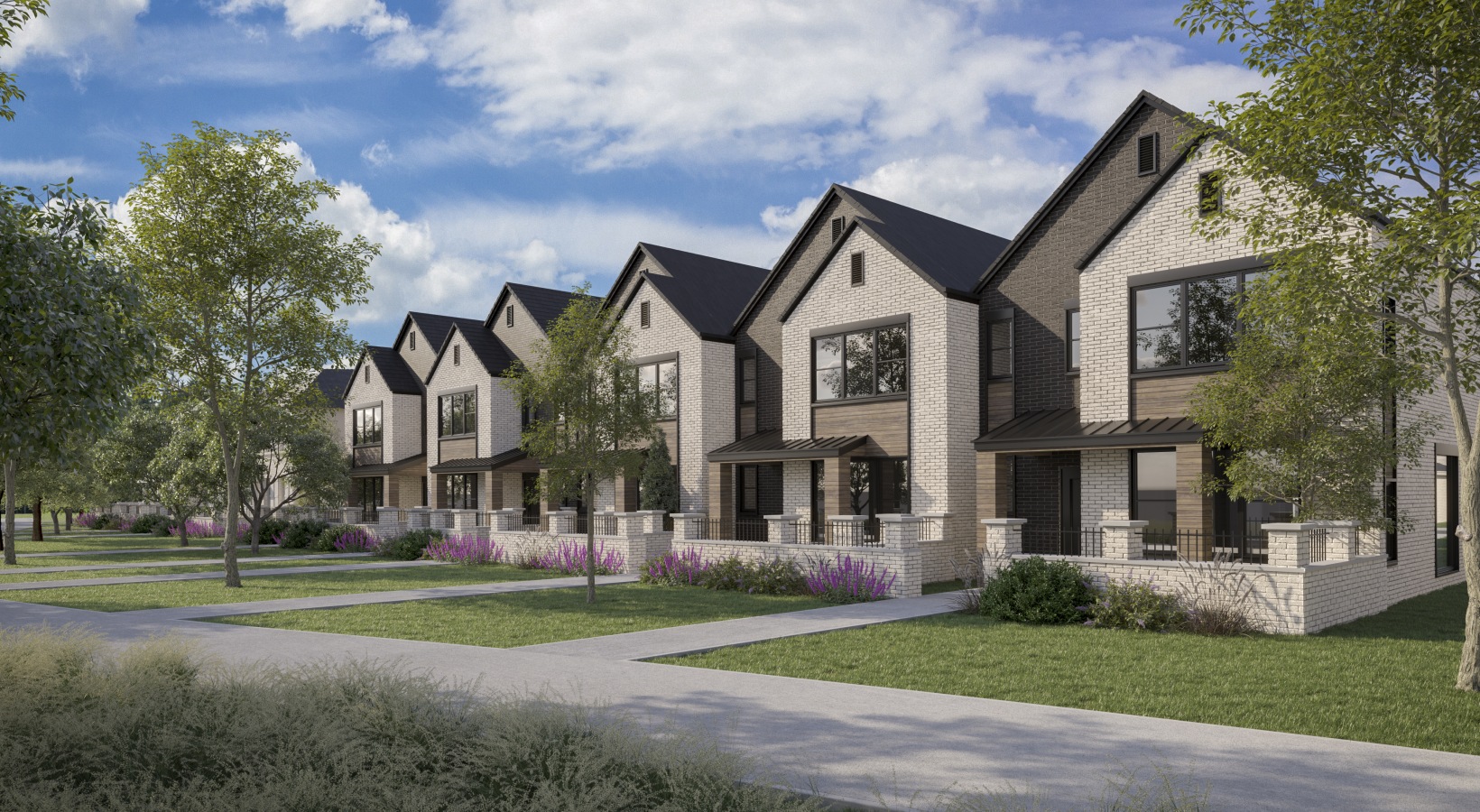
A townhouse is a multi-storey unit that shares one or two walls with adjacent units. You get a private entrance, typically an attached garage, and often a small yard or patio. Most Texas townhouses are 1,000–1,600 square feet across two or three levels.
Average rent in Texas (mid-2026): $1,400–$1,800/month for a 2–3 bedroom unit.
What you get
- Meaningfully more space. A two-bedroom townhouse in Fort Worth averages 1,200 square feet — nearly double a typical apartment.
- Private entrance and garage. No shared hallways, no elevator waits, and your car is attached to your home.
- Small outdoor area. Most townhouses include a fenced patio or small backyard — enough for a grill, a dog run, or a play area.
- Residential feel. Fewer shared walls (typically one or two) and no neighbours above or below you.
What you give up
- Maintenance responsibility. Many townhouse leases require you to maintain the yard, handle minor repairs, and manage your own pest control. Clarify this before signing.
- HOA rules. Townhouse communities frequently operate under an HOA that regulates parking, exterior modifications, noise hours, and holiday decorations. Violations can result in fines passed through to the tenant.
- Higher utilities. Multi-storey living with more square footage drives electricity costs up. Budget $180–$280/month for utilities in a Texas townhouse, including summer electricity spikes.
Townhouses fill a specific gap: you want more room than an apartment but do not want (or cannot afford) a full detached house. They are particularly common in suburban areas around Dallas and San Antonio.
Condos — Apartment Feel, Individual Owner
A condo looks like an apartment from the inside but is owned by an individual rather than a property management company. You rent directly from the owner (or their property manager), and the condo association manages the building and common areas.
Average rent in Texas (mid-2026): $1,300–$1,700/month for a one- to two-bedroom unit.
What you get
- Upgraded finishes. Owner-occupied condos are often renovated with higher-end kitchens, flooring, and fixtures compared to standard apartment communities where units are built to a uniform spec.
- Prime locations. Condo buildings concentrate in desirable urban areas — Downtown Dallas, Midtown Houston, Downtown Austin — where apartment complexes are either luxury-priced or nonexistent.
- Lower density. Condo buildings tend to be smaller than large apartment complexes, with fewer units per floor.
What you give up
- Inconsistent management. In an apartment complex, a dedicated team handles maintenance requests within 24–48 hours. With a condo, response time depends entirely on your individual landlord. Some owners are responsive; others live out of state and take days to arrange a repair.
- HOA restrictions. Condo associations set rules on noise, renovations, move-in/out schedules, and sometimes pet policies — separate from whatever your lease says. Check both the lease and the HOA rules before signing.
- Less lease flexibility. Individual owners typically require 12-month leases and are less likely to offer month-to-month extensions.
Condos suit renters who want an apartment-sized space with better finishes in a walkable urban location, and who do not mind dealing with an individual landlord rather than a management office.
Rental Houses — Maximum Space, Maximum Responsibility
A rental house is a detached single-family home leased to a tenant. In Texas, rental houses range from modest 2-bedroom, 1,000-square-foot homes in Waco to 4-bedroom, 2,500-square-foot properties in the Dallas–Fort Worth suburbs.
Average rent in Texas (mid-2026): $1,600–$2,200/month for a 3-bedroom house, varying widely by city and neighbourhood.
What you get
- No shared walls. Complete privacy, inside and outside. No noise complaints in either direction.
- A yard. Most rental houses include a fenced backyard — critical for dog owners and a major quality-of-life upgrade if you work from home.
- Garage and driveway. Dedicated parking with room for two or more vehicles, plus storage space in the garage.
- Fewest pet restrictions. Individual landlords are more flexible on breed and weight limits than apartment communities.
What you give up
- Cost. A 3-bedroom rental house in Dallas costs $1,800–$2,200/month — roughly $500–$800/month more than an equivalent apartment. Utilities add another $250–$400/month for electricity, water, gas, internet, and trash.
- Maintenance. Most house leases make the tenant responsible for lawn care, minor plumbing, HVAC filter changes, and sometimes pest control. Budget $50–$100/month for routine upkeep, plus the time to do it.
- Location tradeoffs. Affordable rental houses in Texas are overwhelmingly suburban. If you want to live close to Downtown Dallas, Downtown Austin, or Midtown Houston, houses at comparable rents are 20–40 minutes away.
Total Monthly Cost Comparison — Texas (2026)
Base rent tells only part of the story. Here is what each rental type actually costs per month when you include utilities, maintenance, and common fees.
| Cost Category | Apartment | Townhouse | Condo | House |
|---|---|---|---|---|
| Base rent (avg.) | $1,300 | $1,600 | $1,500 | $1,900 |
| Electricity | $80–$130 | $120–$180 | $90–$140 | $150–$250 |
| Water/sewer/trash | $30–$50 | $50–$80 | $40–$60 | $70–$120 |
| Internet | $50–$80 | $50–$80 | $50–$80 | $50–$80 |
| Renter's insurance | $15–$25 | $20–$30 | $15–$25 | $25–$40 |
| Lawn/maintenance | $0 | $0–$50 | $0 | $50–$100 |
| Pet rent (1 pet) | $25–$75 | $0–$50 | $25–$75 | $0–$50 |
| Parking fees | $0–$150 | $0 | $0–$100 | $0 |
| Estimated total | $1,500–$1,810 | $1,840–$2,070 | $1,720–$1,980 | $2,245–$2,540 |
These figures are based on RedRiver Rent listing data and average utility costs across Texas metro areas as of mid-2026. Summer electricity bills can push the upper end $50–$100 higher from June through September due to air conditioning demand.
Which Rental Type Fits Your Situation
Skip the generic advice. Here is a decision framework based on specific circumstances.
- You are moving to Texas for the first time and want flexibility. Start with an apartment. Short lease terms, no maintenance, and lower upfront costs give you time to learn the city before committing to a neighbourhood. Browse apartments across Texas on RedRiver Rent.
- You work from home and need a dedicated office. A townhouse or small house gives you a second room to close a door on. Apartments with dens can work, but most are too small for a full-time home office setup.
- You have a large dog (50+ lbs). Rental houses are your best option. Most apartment and condo communities cap pet weight at 50 lbs and restrict breeds. Houses with fenced yards have the fewest restrictions.
- You want walkability and nightlife. Apartments and condos in urban cores — Uptown Dallas, Midtown Houston, Downtown Austin — put you within walking distance of restaurants and bars. Townhouses and houses at comparable prices are typically suburban.
- You need to keep total housing costs under $1,500/month. An apartment is likely your only option in Dallas, Austin, or Houston. In San Antonio or Waco, you may find a small townhouse or older condo in that range.
Find Your Next Rental on RedRiver Rent
RedRiver Rent lists apartments, townhouses, condos, and rental houses across Texas's major metros — Dallas, Houston, Austin, San Antonio, Fort Worth, and Waco. Every listing includes a full cost breakdown so you can compare total monthly costs, not just advertised rent.
Here is how it works:
- Tell RedRiver Rent your budget, preferred city, and what type of rental you want
- A local advisor sends you hand-picked options with full cost breakdowns within 24 hours
- No fees, ever — the service is completely free for renters
Search Texas rentals on RedRiver Rent
Related reading:
- Texas Apartment Move-In Checklist — Before You Get Keys — Everything to verify, photograph, and confirm before your move-in date.
- What Rising Apartment Supply Means for Texas Renters — How the current supply wave is shifting leverage from landlords to tenants.
- Living in Dallas, TX — An Honest Guide (2026) — A full breakdown of costs, neighbourhoods, and tradeoffs for Dallas renters.